Sake was first poured in Vienna in 1873, at the Weltausstellung, in a pavilion that most visitors walked past on their way to somewhere else. The city tasted it, filed it away, and did nothing about it for a century and a half.
We began in 2021, under the name Sake Wien: a rented cellar, a great many books, and four years of test brews that mostly taught us what not to do. On 1 October 2025 – World Sake Day, and the day the brewing season opens in Japan – we reopened as Kura Wien and started brewing commercially.
It made us Vienna’s first kura, and one of a small handful of real sake breweries anywhere in Europe.
From a first test brew to a kura with a season, a name and a shelf in Berlin.
The beginning: a cellar, a rice cooker, and the decision to learn this properly rather than approximate it. Four years of research and test brews in a city with no sake tradition to lean on.
01
Our tōji, Markus Csenar, trained at Daimon Brewery in Osaka, and we brew on the advice of Kjetil Jikiun, who did more than anyone to prove that sake can be made in Europe without apology.
02
World Sake Day. We reopened the brewery under a new name on Barmherzigengasse in the third district, with friends, supporters and a fresh shubo in the tank.
03
The Hofburg, and a week in which the city discovered it had a brewery of its own. We poured, taught, and opened the kura doors for the INSIDE SAKE masterclasses.
04
Sake36 in Berlin became the first place outside Austria to pour us. CREAM Vienna at the Reaktor, Falstaff’s bar programme, and a shelf at Augora Fermente followed.
05
The only European brewery invited. Three bottles carried to Japan – Junmai Muroka, Marumero and Junmai Muroka Seishu – and poured for the people whose craft we borrowed.
06
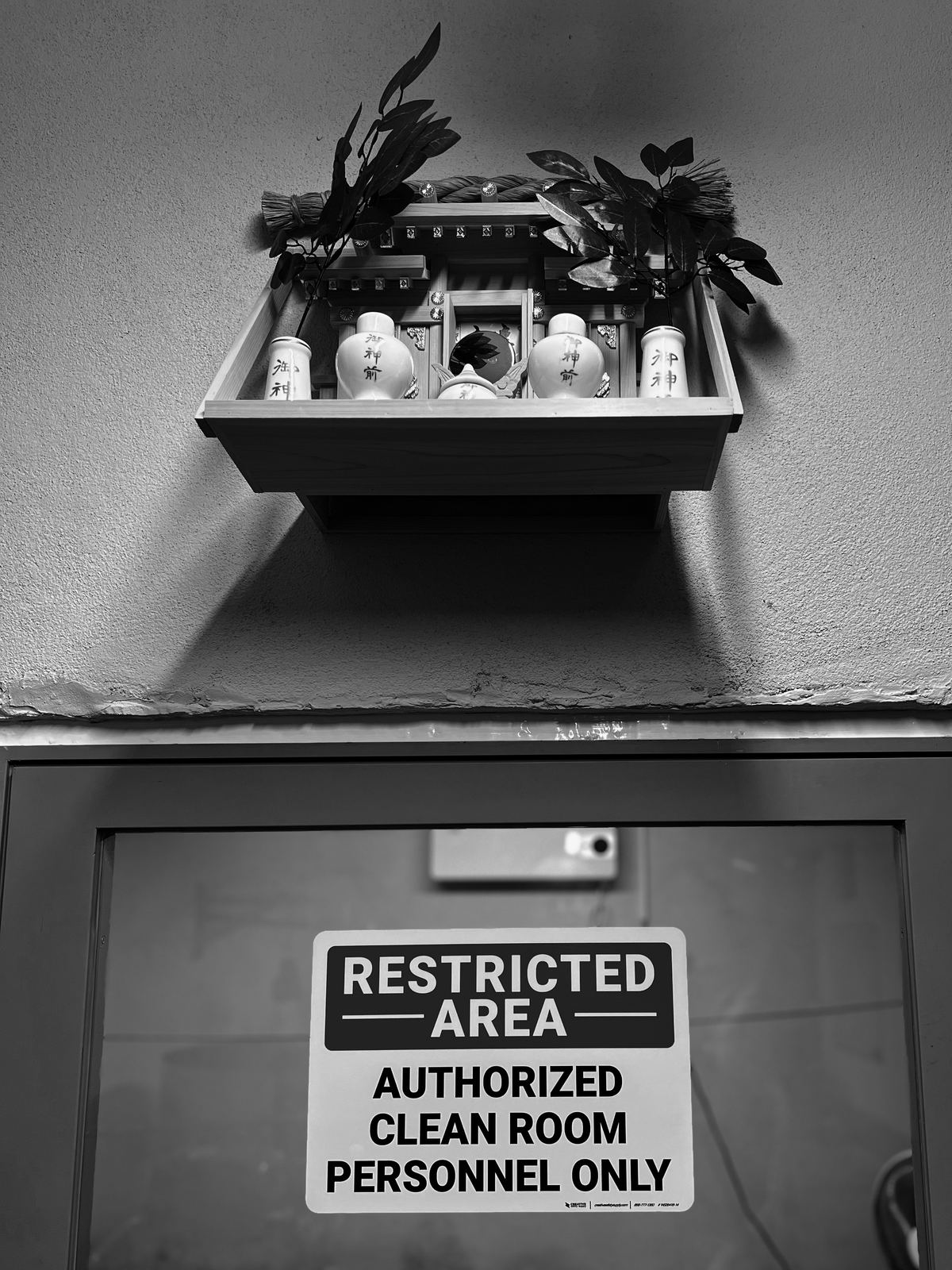
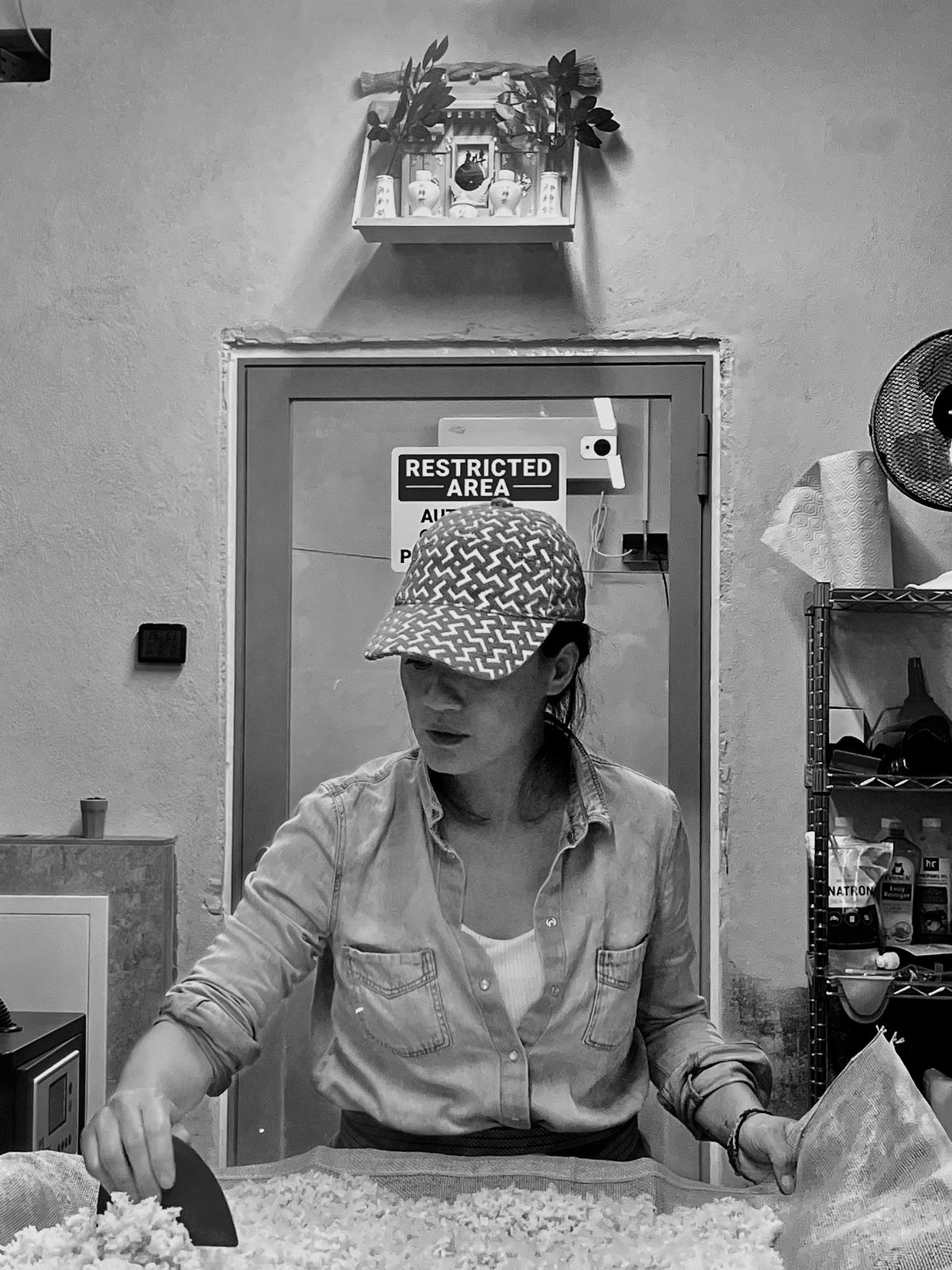
The kamidana above the clean room. Borrowed, like most of what we do, and taken seriously.
A kura is a set of hands before it is a building.
The brewmaster decides when the rice is cool enough, when the moto is ready, and when the moromi has said everything it is going to say. Markus Csenar has that job, and the last word on every tank.
01
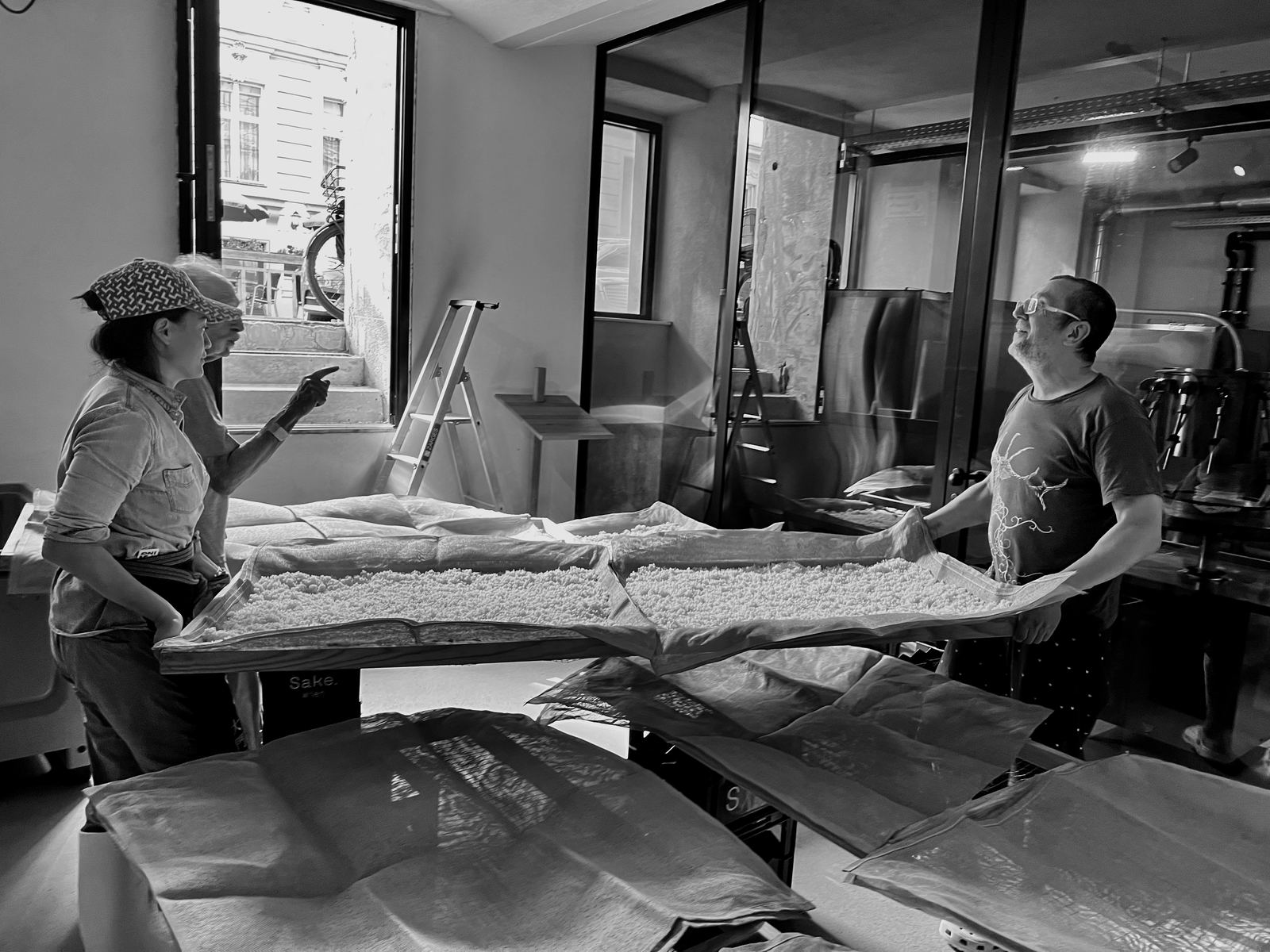
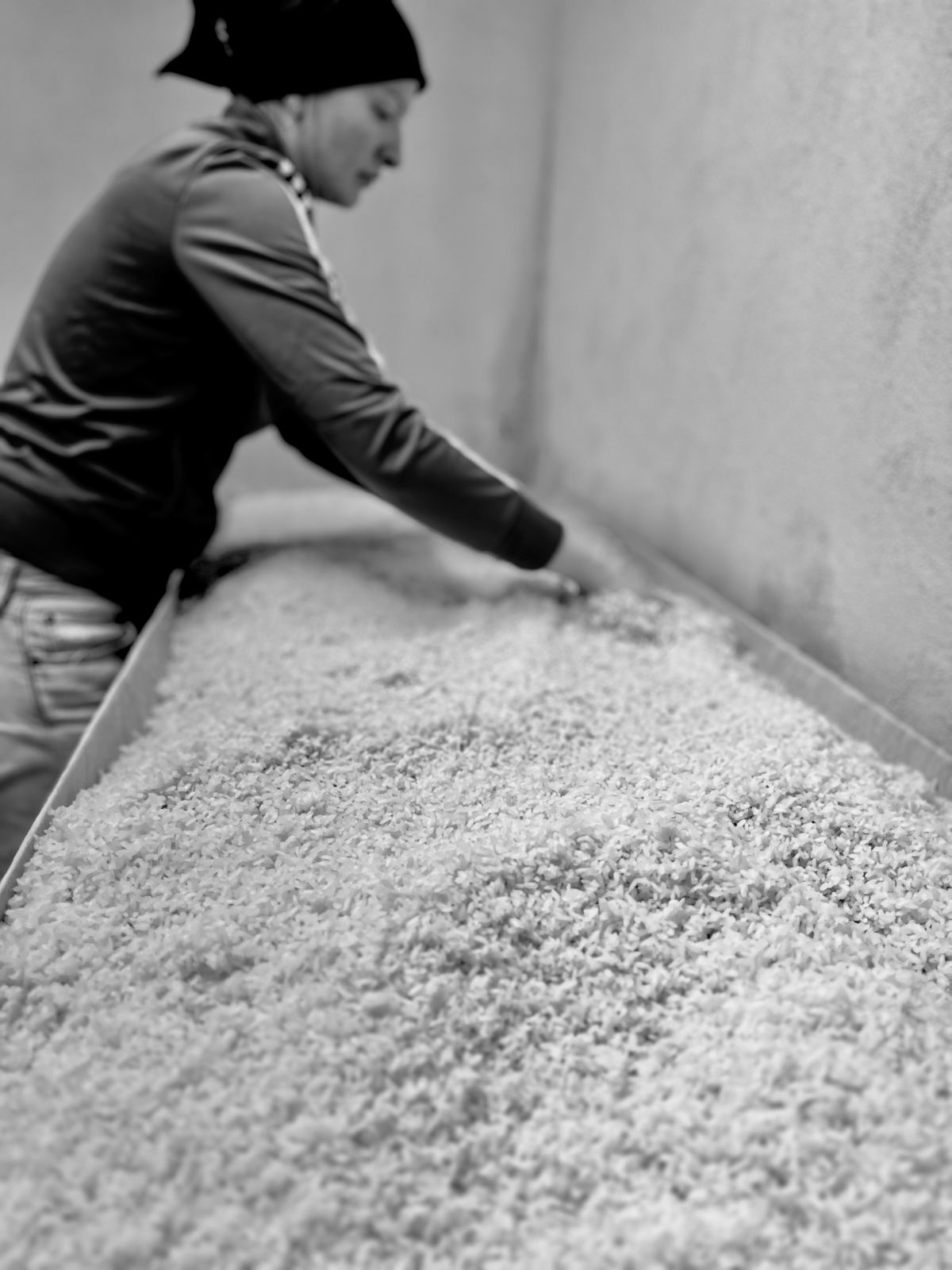
The brewery hands. Washing, steaming, turning, carrying – the unglamorous two thirds of sake, done at six in the morning because the rice does not wait. Fred Kranich, one of the three behind Kura Ferments, is as likely to be on the hose as at a desk.
02
For most of Japanese history women were kept out of the kura. That rule never crossed the border with us, and the cellar is better for it.
03
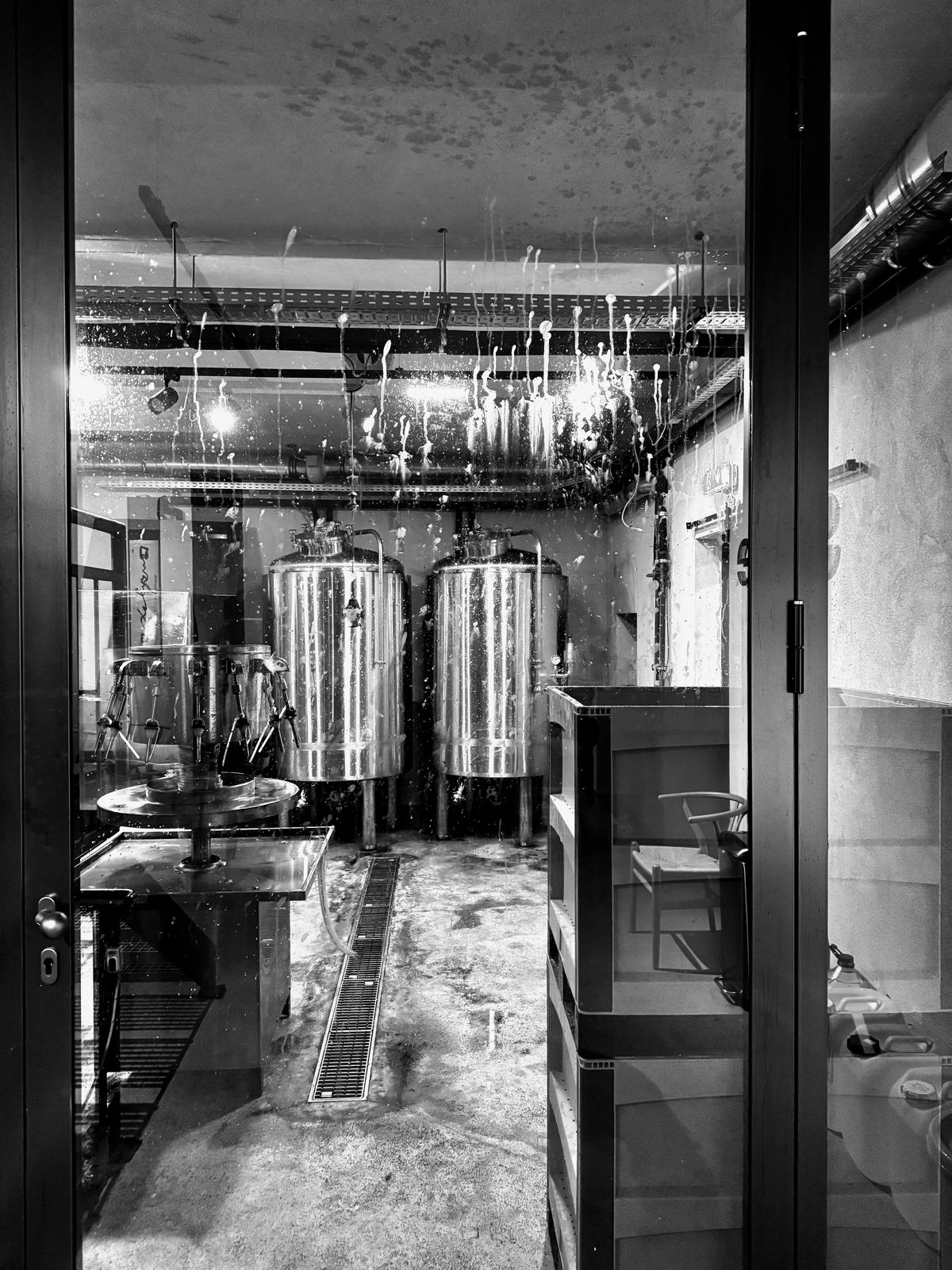
We started with junmai, nama, genshu, muroka – the most exposed way to make sake – and have been widening the range since.
Kinshachi 1873, the golden one, named for the year sake first reached this city. Aoshachi, the blue one, brewed for summer. Midorishachi, the green one, still finding its shape.
01
Quince and wild cherry, macerated. Heat without fire, as we wrote at the time – and the bottle that travelled to Tokyo with us.
02
Pasteurised seishu, sparkling, and aged sake as a base for flavoured expressions. The junmai namagenshu remains the centre of the kura; it is no longer the whole of it.
03
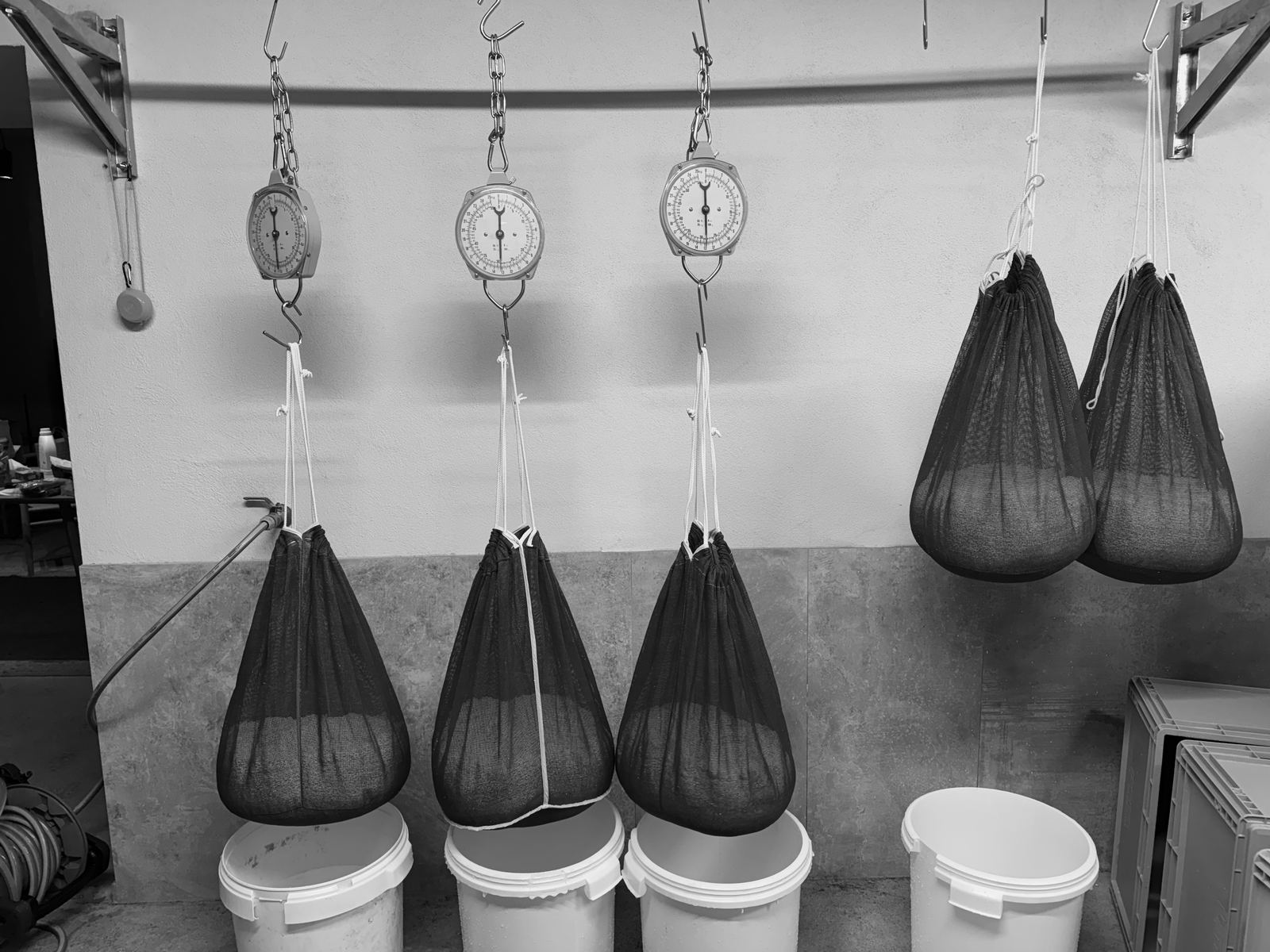
“Unconventional, for the sake of tradition.”