
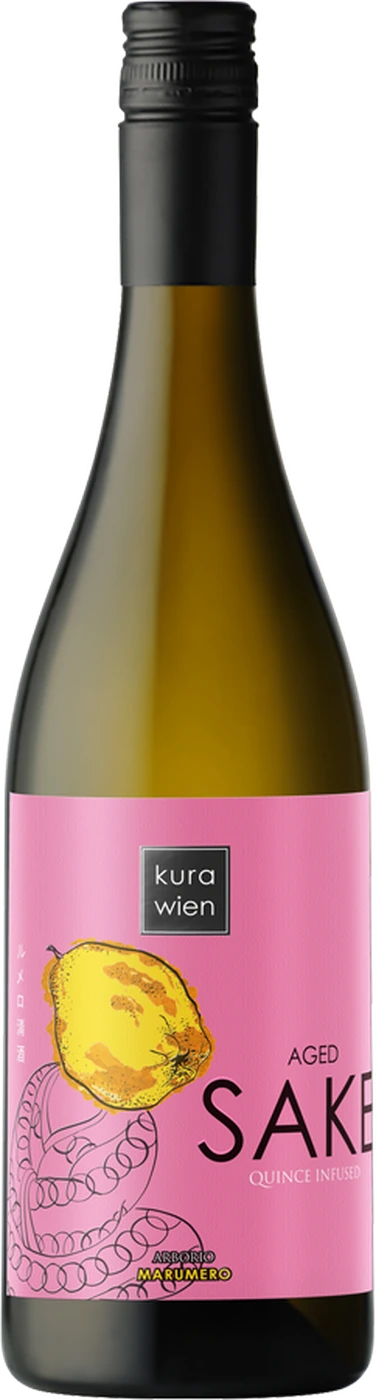
Marumero
Aged sake, infused with quince. A very limited production, and a rare meeting of two things that turn out to belong together.
Notes of cooked quince come through as a layer of warmth, giving a mild identity to the ageing. Softer and rounder than anything else in the kura, and the bottle we open last.
Total
€0.00
incl. 20% VATAll prices incl. 20% VAT · free shipping in Austria on orders over €90
What’s inside:
Cooked quince, honey and dried apricot, with the nuttiness that ageing brings. Round and low in acidity; the sweetness is the fruit’s own.
Ingredients: water, rice, kōji (Aspergillus oryzae), yeast, quince. 0,375 l. Vegan. Contains alcohol.
Lightly chilled, or at cellar temperature, in a small glass. Warmed gently it turns almost like a dessert wine; over ice it becomes an aperitif. It does not need food, but it sits well with hard cheese, walnuts or a plain tart.
Store cool, upright and away from light. Unlike our nama bottles this one is stable, so it does not need the fridge until it is opened; once open, keep it cold and drink it within a few weeks.
Contains alcohol. Sold only to persons 18 and over. Please enjoy responsibly.
Most of what we make is drunk young and cold. This one was left alone instead, and time did what time does: the edges softened, the colour deepened, and nutty, honeyed notes arrived that no fresh sake has.
Marumero is a hard, fragrant autumn fruit that gives nothing away raw. Macerated in aged sake it turns generous: cooked quince, a little honey, a warmth that reads as sweetness without much sugar behind it.
A small run, made once from a single ageing tank. When it is gone we will have to wait for the next one to be old enough, and it will not taste exactly the same.
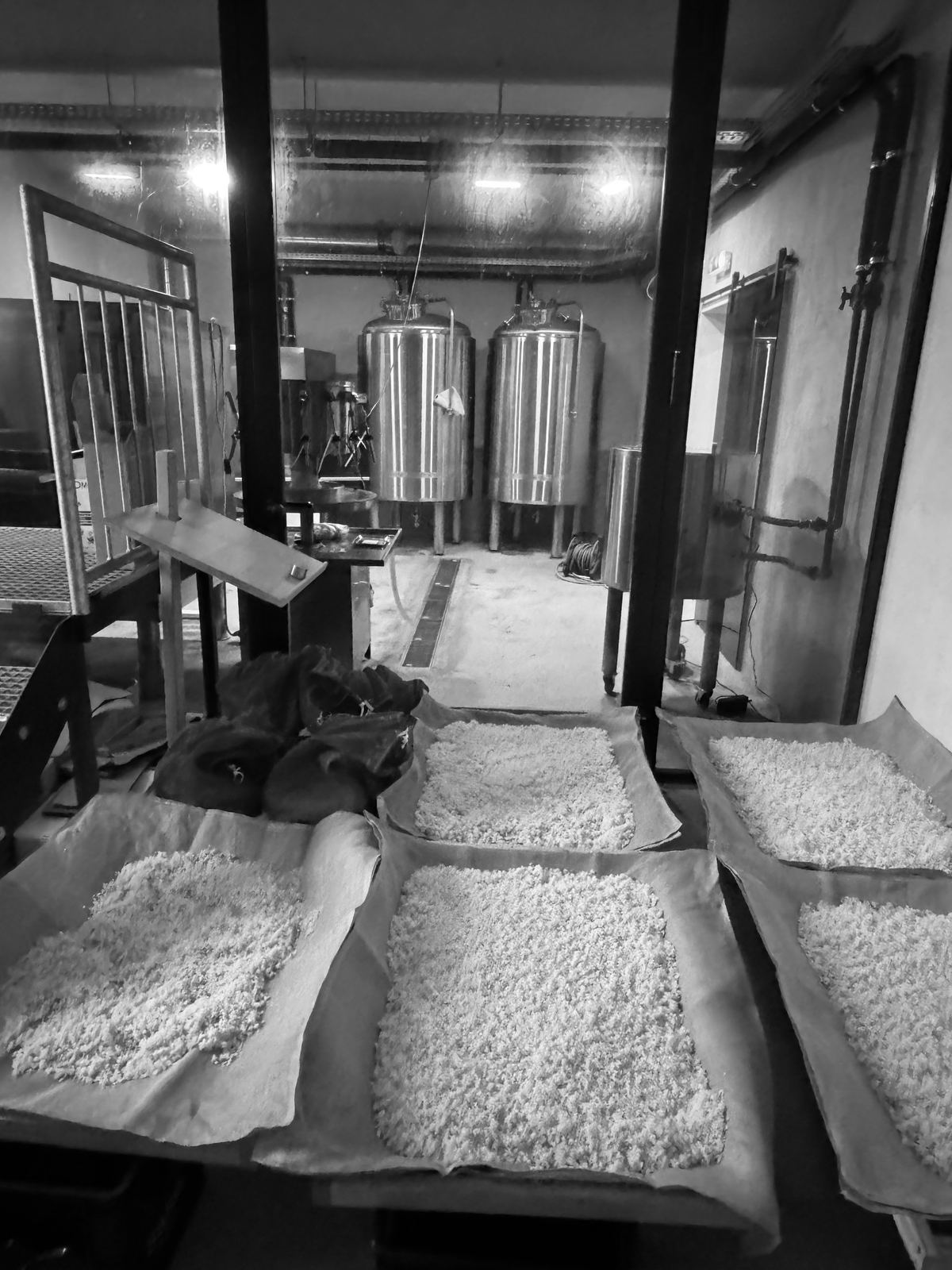
Organic rice from Piemonte, a day’s drive south of us – the same delivery that feeds the rest of the kura.
Ageing is the part we cannot hurry and did not plan for. A tank was set aside, tasted through a year, and only then became this.
Marumero is the quince – the hard, fragrant autumn fruit that gives nothing away raw and everything once it is cooked. The fruit names the bottle because the fruit is what you taste.
Lightly chilled or at cellar temperature, in a small glass, after dinner. It has the weight to sit where a dessert wine would, and it does not need anything alongside it.
Less than you would expect. The quince reads as warmth rather than sugar, and the ageing gives nuttiness instead. Closer to an oloroso than to a liqueur.
01
Being confirmed for this batch and published here as soon as it is final. It sits a little above our fresh bottles.
02
Because there is not much of it, and because a bottle this rich is usually poured in small glasses over several evenings rather than finished in one.
03
Cool, upright and dark. Unopened it keeps far longer than our nama bottles; opened, treat it like a fortified wine.
04
At the kura on Barmherzigengasse, and in the INSIDE SAKE masterclass when there is a bottle open.
05
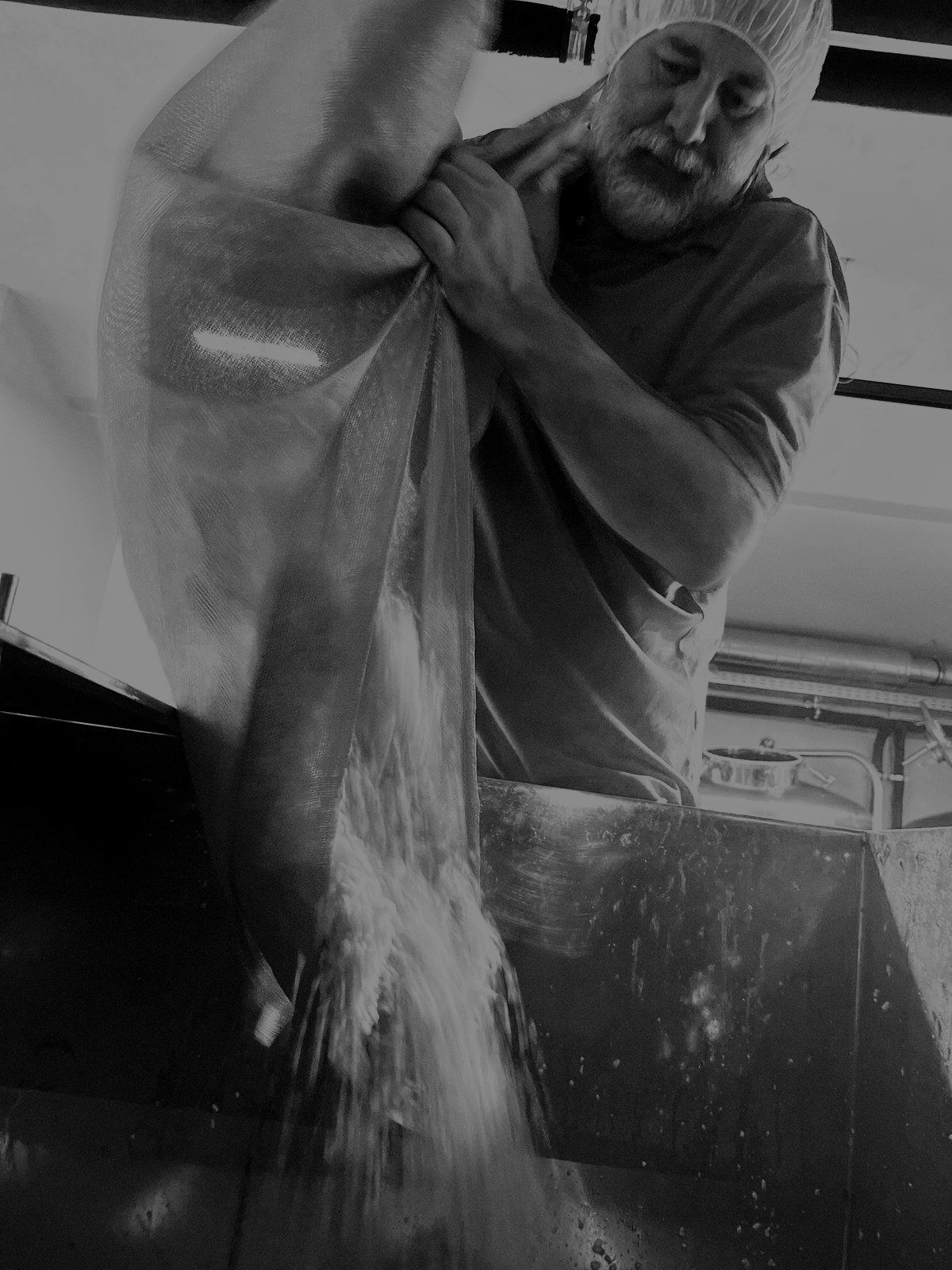
Every step – steaming, koji, fermentation, pressing, bottling – happens by hand in our brewery in Vienna.
06