
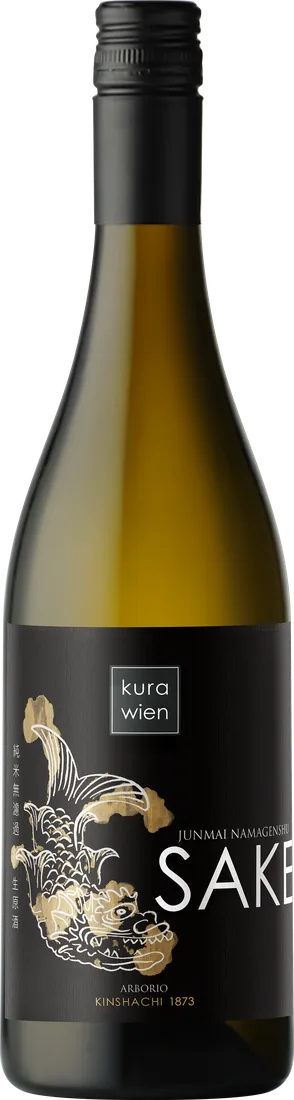
Kinshachi 1873
The golden shachi. Kinshachi 1873 is sake exactly as it comes off the press: unpasteurised, undiluted and unfiltered, so nothing stands between the tank and the glass.
Fresh, dense and powerful, with a pronounced rice note, fine umami and the kōji aromas that come with it. Ripe pear, dried apple, lemon zest and a touch of marzipan; almonds, walnuts, fresh cream and yoghurt on the nose.
Creamy, round and balanced on the palate, with fine acidity and a lightly bitter nuttiness – in structure and density closer to a white wine of real character than to what most people expect of sake. Bio-Arborio from Piemonte, polished to 90%, Wiener Hochquellwasser, nihonshudo −3.5.
Total
€0.00
incl. 20% VATAll prices incl. 20% VAT · free shipping in Austria on orders over €90
What’s inside:
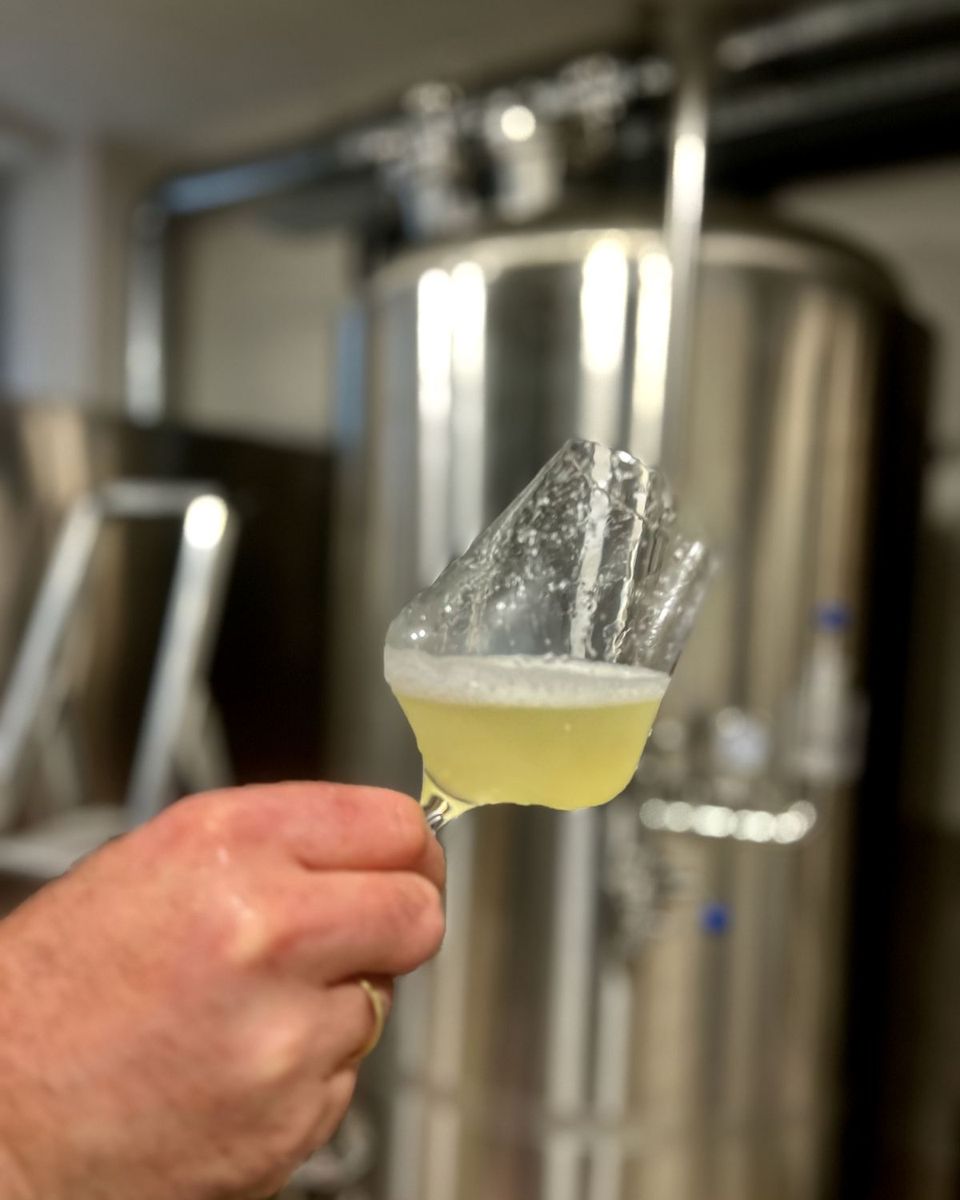
Fresh, dense and powerful: ripe pear, dried apple, lemon zest and a touch of marzipan, over almond, walnut, cream and yoghurt. Creamy and round on the palate, with fine acidity and a lightly bitter nuttiness. Nihonshudo −3.5, so a whisper of sweetness rather than a dry finish. Unfiltered, so a light haze is natural.
Ingredients: water, rice, koji (Aspergillus oryzae), yeast. 16.5% vol. 750 ml. Vegan. Contains alcohol.
Serve at 5–10 °C in a white-wine glass, or gently warmed to about 40 °C. Let it open in the glass – the rice sweetness arrives a moment after the first sip.
Unpasteurised: keep refrigerated at all times, including on the way home, and drink within a few days of opening.
Store cool, upright and away from light. Once opened, keep it in the fridge and protect it from oxidation.
Contains alcohol. Sold only to persons 18 and over. Please enjoy responsibly.
Nama. Most sake is heated twice to make it stable. Kinshachi never is, so the freshness of the tank is still alive in the bottle – which is also why it lives in the fridge.
Genshu. Nothing is added after pressing. What you taste is the full strength and weight of the fermentation, at 16.5% vol, exactly as the brewers taste it.
Muroka. No charcoal filtering, so the sake keeps its colour, texture and edges. A faint haze in the glass is the point, not a flaw.
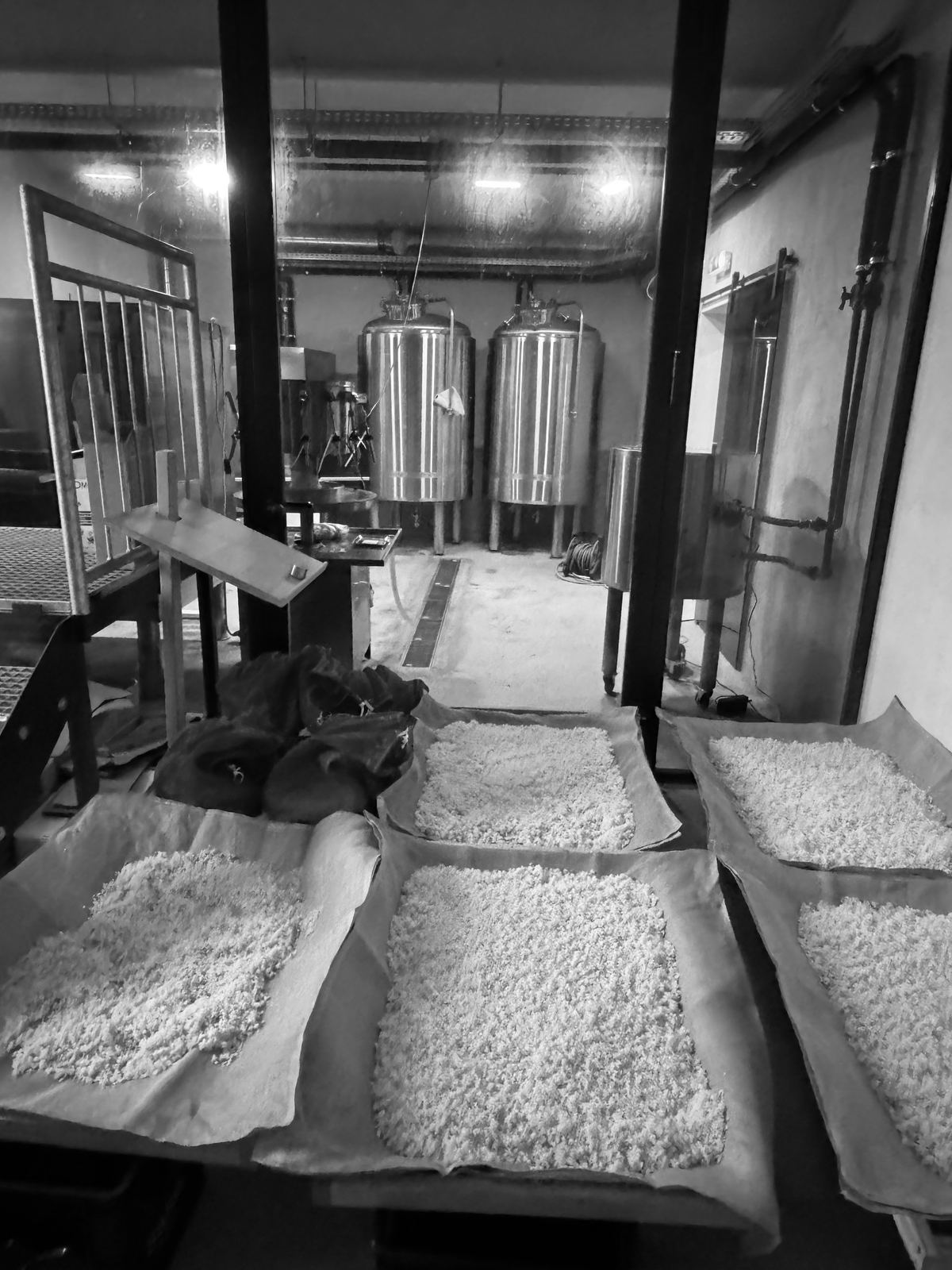
Organic Arborio from Piedmont, polished to 90%. Leaving that much of the grain intact is a deliberate choice: it keeps the rice character in the glass instead of polishing it away.
Soft, low-mineral water from the Austrian Alps – as close as Europe gets to the water of Japan’s classic brewing regions.
The kinshachi is the golden shachi, the tiger-headed fish that guards Japanese castle roofs against fire. The year is the Vienna Weltausstellung of 1873, where sake was shown in this city for the first time – a hundred and fifty years before anyone brewed it here.
Cold and young, in a white-wine glass: the density and the fine acidity carry it the way a characterful white would. Good with anything that has fat or salt to push against – oysters, hard cheese, grilled fish. It also takes gentle warming to about 40 °C, which brings the rice sweetness forward and softens the nuttiness.
The Kura Martini
Kinshachi 1873, London dry gin, a whisper of vermouth
The Kura Highball
Kinshachi 1873, cold soda, a twist of lemon
Kinshachi Negroni
Kinshachi 1873, Campari, sweet vermouth
Rice Old Fashioned
Kinshachi 1873, rice syrup, aromatic bitters
Warm Kinshachi
Kinshachi 1873, warmed to 40 °C, lemon peel
Nama means unpasteurised, genshu means undiluted. Together: sake bottled exactly as it comes off the press, at full strength, with nothing heated, added or taken away.
01
It means only a tenth of each grain is milled off. Most premium sake polishes far more; we keep the grain nearly whole on purpose, because that is where the rice flavour lives.
02
Because we don’t charcoal-filter it. The haze is fine rice particles and yeast – texture and flavour, not a fault. Give the bottle a gentle turn before pouring.
03
In the fridge, upright, away from light – always. Unpasteurised sake keeps changing at room temperature.
04
Both work. 5–10 °C keeps it fresh and taut; about 40 °C opens the rice sweetness. Anything in between is a matter of taste.
05
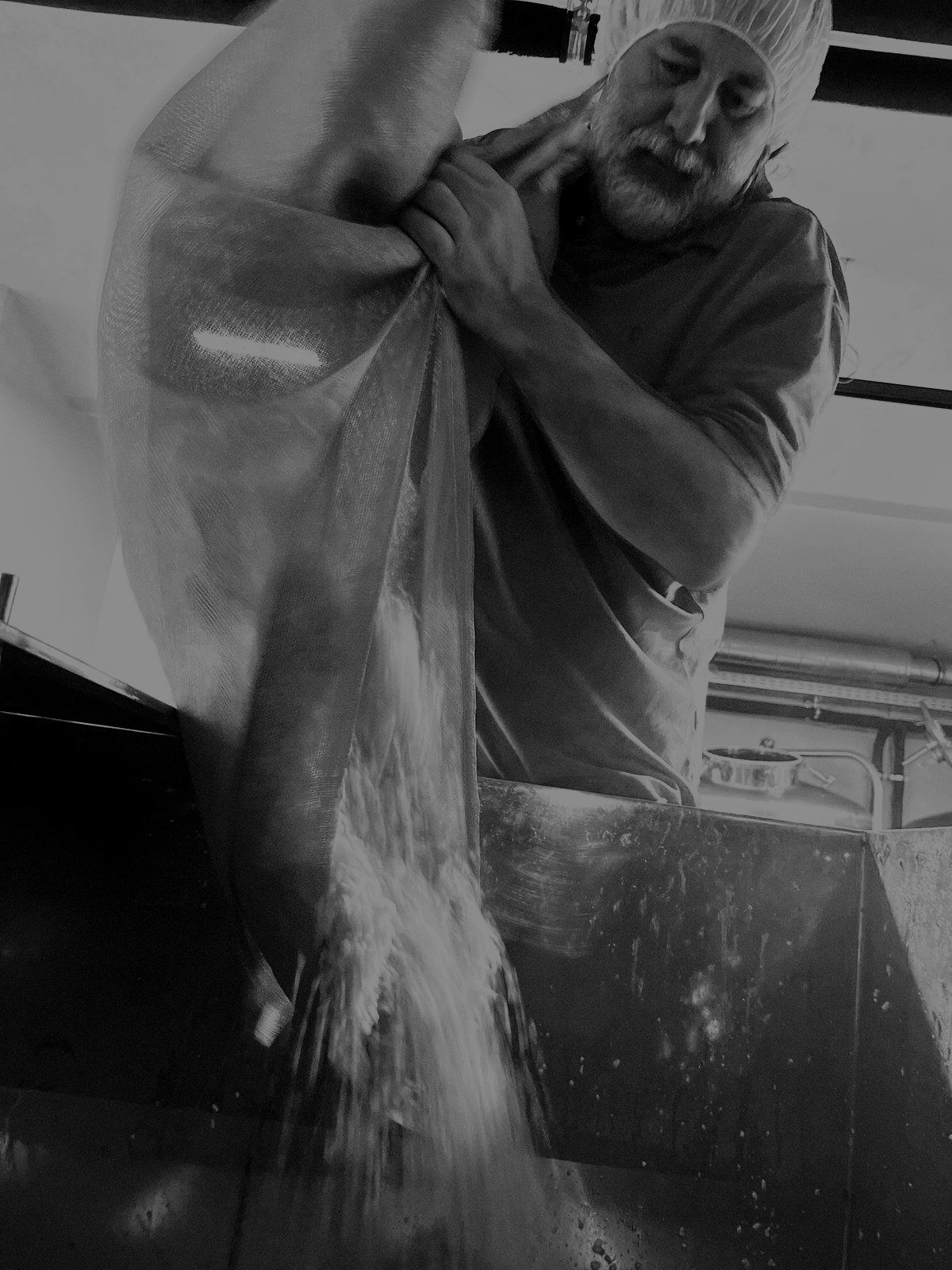
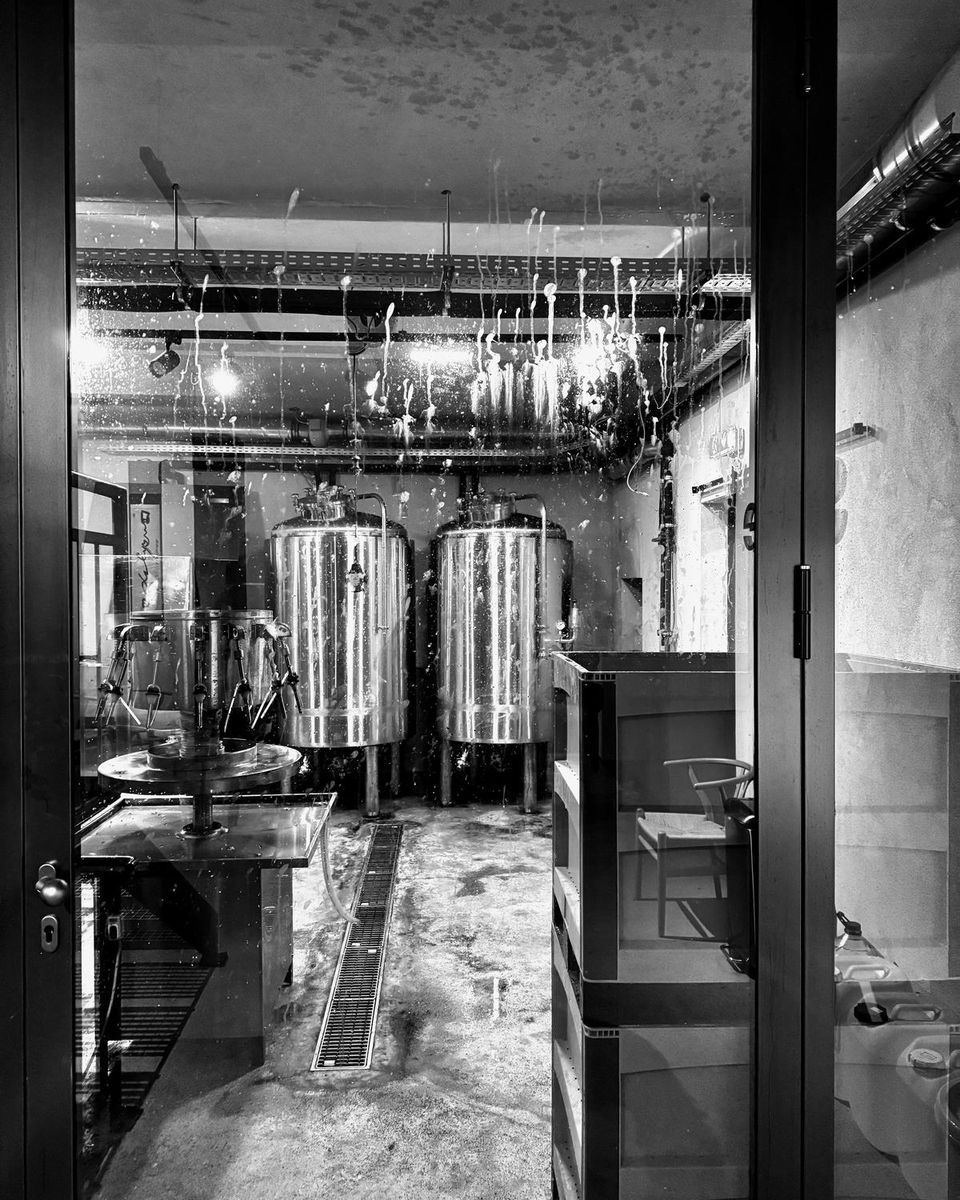
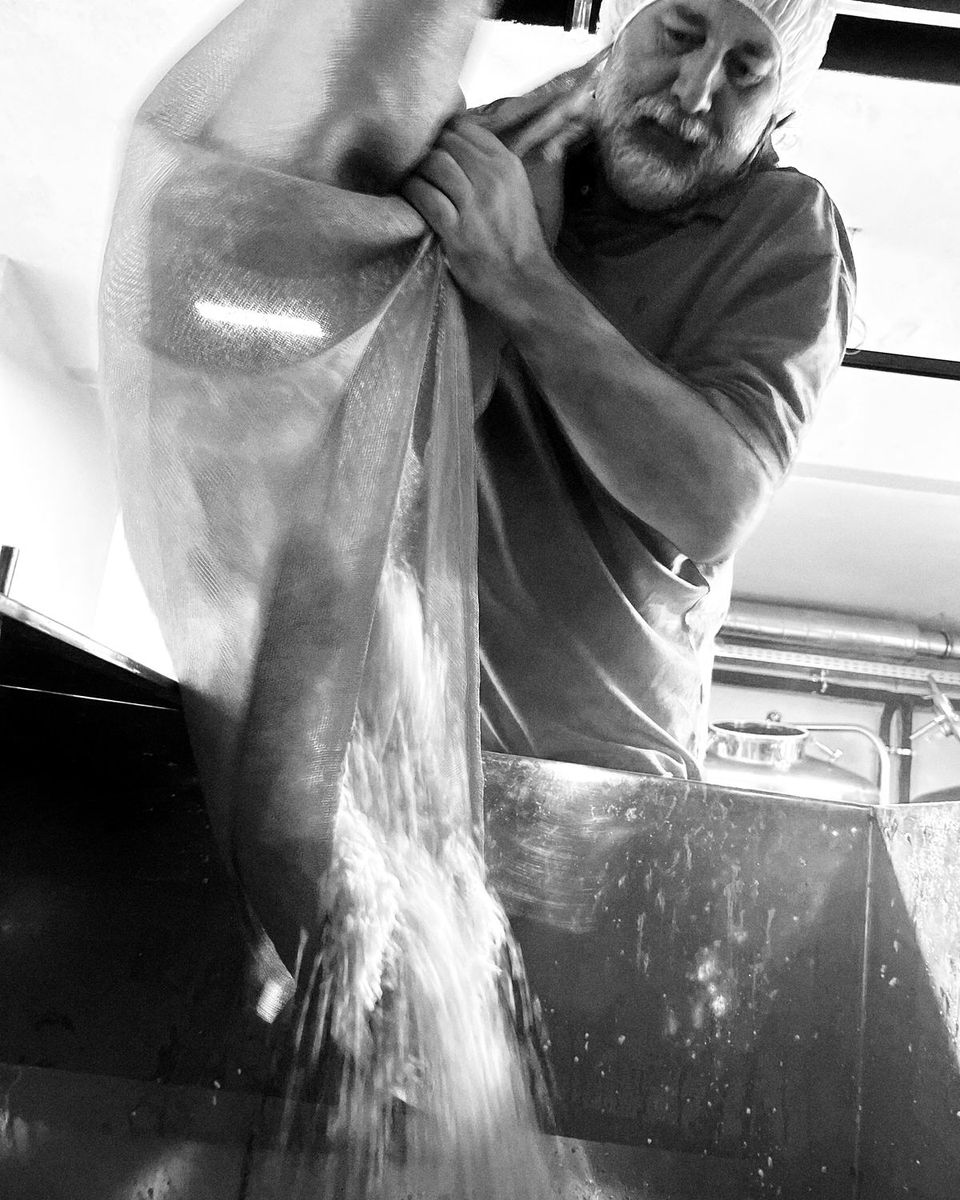
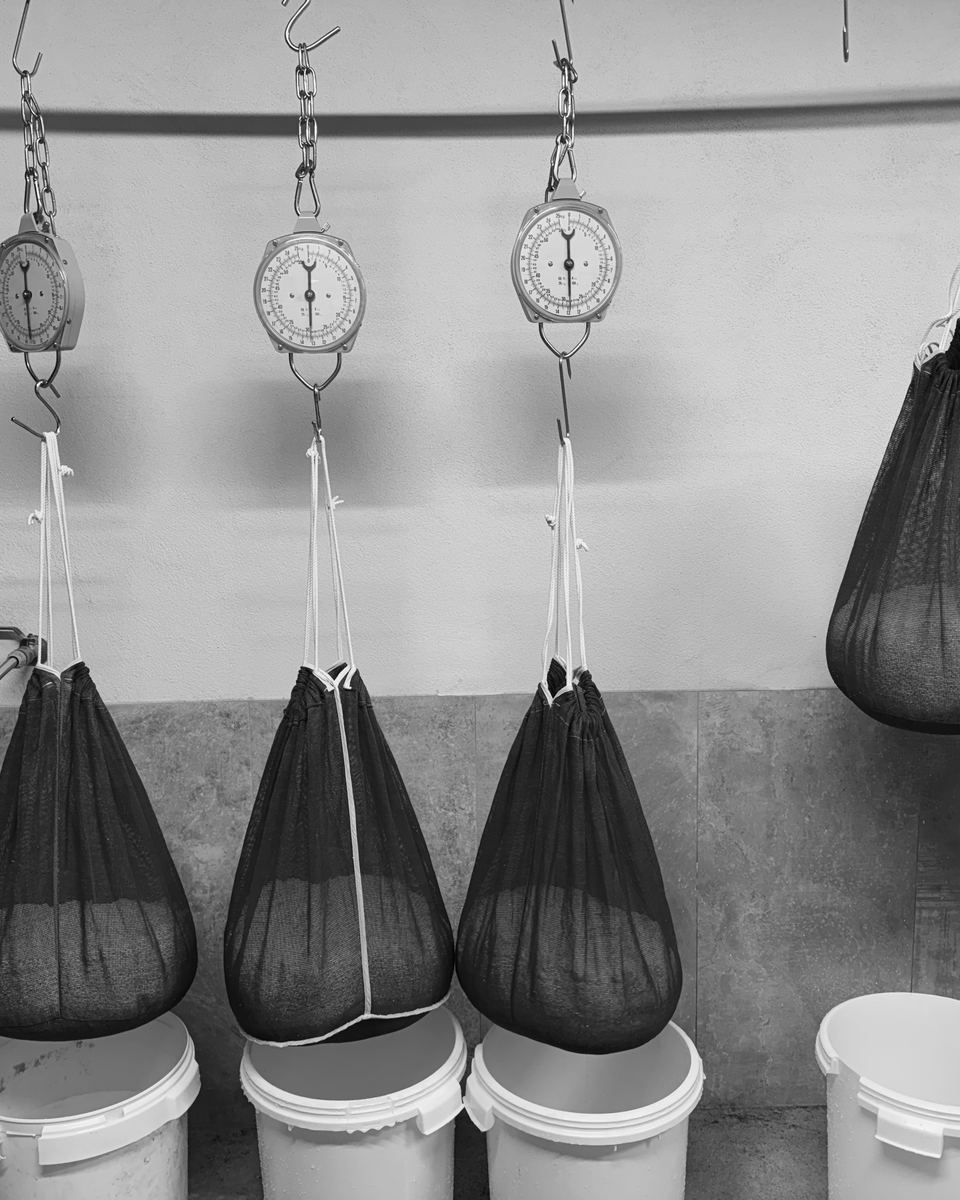
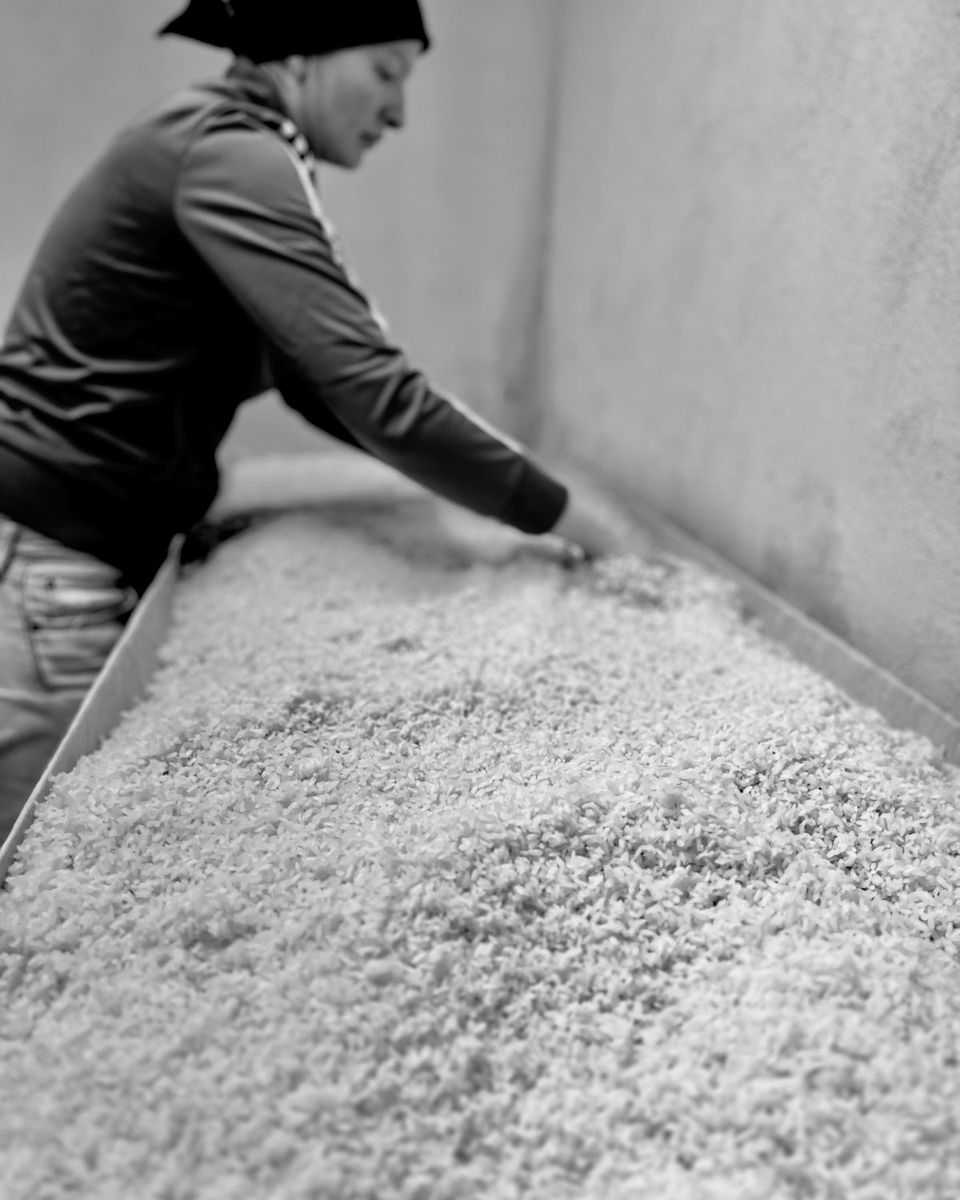
Every step – steaming, koji, fermentation, pressing, bottling – happens by hand in our brewery in Vienna.
06